


fjt_072143 - BRETAGNE (ÉTATS DE...) Jeton AR 29, États de Rennes 1728

No disponible.
Artículo vendido en nuestra tienda
Precio : 60.00 €
Artículo vendido en nuestra tienda
Precio : 60.00 €
Tipo : Jeton AR 29, États de Rennes
Fecha: 1728
Metal: plata
Diámetro: 29 mm
Eje de acuñación: 6 h.
Canto: cannelée
Comentarios sobre el estado de conservación:
De petites marques de manipulation avec une usure faible sur les reliefs sinon un très bel exemplaire
N° en los catálogos de referencia :
Anverso
Titulatura del anverso: LUD. XV. REX - CHRISTIANISS..
Descripción del anverso: Buste à droite en habit, avec cravate et grand cordon, au-dessous signature DU VIVIER. F..
Traducción del anverso: (Louis XV roi très chrétien).
Reverso
Titulatura del reverso: URBS RHEDONUM INCENSA RESURGENS. ; À L’EXERGUE COM. ARM./ 1728.
Descripción del reverso: La ville de Rennes tourelée à gauche, présentant un plan au roi ; elle pose la main gauche sur les armes de la ville ; sous leurs pieds REST. SUO..
Comentario
Le revers fait référence à la reconstruction de la ville suite à l’incendie du 23 septembre 1720 qui ravage durant six jours environ 900 maisons du centre-ville. Sous les ordres du maire Rallier du Baty, la reconstruction est confiée à l’ingénieur Isaac Robelin et sera réalisée par Jacques Gabriel, premier architecte du roi. Le centre aux ruelles tortueuses laissera alors la place à des voies à l’équerre, la pierre remplace comme matériau de construction le bois qui est interdit.
The reverse refers to the reconstruction of the city following the fire of September 23, 1720, which ravaged approximately 900 houses in the city center for six days. Under the orders of Mayor Rallier du Baty, the reconstruction was entrusted to the engineer Isaac Robelin and was carried out by Jacques Gabriel, the king's first architect. The center with its winding streets then gave way to square roads, and stone replaced wood, which was banned, as a building material.
The reverse refers to the reconstruction of the city following the fire of September 23, 1720, which ravaged approximately 900 houses in the city center for six days. Under the orders of Mayor Rallier du Baty, the reconstruction was entrusted to the engineer Isaac Robelin and was carried out by Jacques Gabriel, the king's first architect. The center with its winding streets then gave way to square roads, and stone replaced wood, which was banned, as a building material.
Historial
BRETAGNE (ÉTATS DE...)
Bretaña fue, de todas las provincias francesas, aquella donde la monarquía mejor respetó los privilegios y particularidades locales.. Su unión sólo se remonta a 1532 y sus estados fueron los más turbulentos del reino.. Su acuerdo era necesario para cualquier recaudación de fondos y la ejecución de todos los edictos incluso soberanos.. Se celebraban cada dos años.. Allí estaban representadas las tres órdenes con obispos, abades, representantes de las ciudades y sobre todo muchos nobles (seiscientos a setecientos) que generalmente imponían su voluntad a las demás, aunque el voto se hacía por orden.. Los nobles y escuderos formaban lo que se llamaba el "baluarte", tiranizando al resto de la asamblea y atraídos especialmente por las fiestas y comidas.. El principal recurso del presupuesto provincial lo aportaban los "deberes", impuesto muy productivo sobre las bebidas pero también el fouage o tamaño sobre el "fuego". A pesar de estos ingresos, la administración de los Estados de Bretaña era costosa y, en vísperas de la Revolución, los Estados tenían una deuda de cincuenta millones de libras.. Los Estados han producido unas 150 fichas diferentes, destinadas a ser ofrecidas a los miembros de su administración como gratificación: 100 para cada presidente, 50 para cada auditor, etc.. .
 Informar de un error
 Imprimir la página
 Comparte mi selección
 Haz una pregunta
 Consignar / vender
Artículos relacionados

 Descriptivo


Productos que has visto recientemente
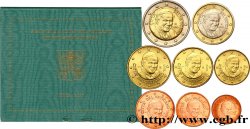
VATICANO SÉRIE Euro BRILLANT UNIVERSEL 2010 BU
90.00 €

TRÉSOR ROYAL Jeton Ar 29, Trésor royal BC+
45.00 €

MARIE-THÉRÈSE D'AUTRICHE Mariage du Roi BC
40.00 €

MARIE DE MÉDICIS MARIE DE MÉDICIS BC
11.00 €

5 centimes Marianne 1967 Paris F.125/3 EBC58
20.00 €

FILIPINAS 25 Piso Proof Convention center de Manille 1979 SC
55.00 €
cgbfr.es numismàtica


