


fmd_428783 - Cinq centimes Dupré, grand module, CNQ 1799 Paris F.115/46 var.

No disponible.
Artículo vendido en nuestra tienda (2017)
Precio : 500.00 €
Artículo vendido en nuestra tienda (2017)
Precio : 500.00 €
Tipo : Cinq centimes Dupré, grand module, CNQ
Fecha: An 7/5 (1798-1799)
Nombre del taller / ciudad: Paris
Cantidad acuñada: ---
Metal: cobre
Diámetro: 28,17 mm
Eje de acuñación: 6 h.
Peso: 9,16 g.
Canto: chevronnée
Grado de rareza: UNIQUE
Comentarios sobre el estado de conservación:
Usure très importante pour cet exemplaire identifiable. Pièce frappée sur un flan déformé. Coups de poinçon au droit
N° en los catálogos de referencia :
Pedigrí:
Exemplaire provenant de la vente VSO MONNAIES 28, lot 1570 et de la Collection E.T.
Anverso
Titulatura del anverso: .REPUBLIQUE - FRANÇAISE.*.
Descripción del anverso: Buste drapé de la Liberté à gauche coiffée du bonnet phrygien (Mesdames Tallien ou Récamier) ; signé Dupré cursif au-dessous.
Reverso
Titulatura del reverso: CNQ / CENTIMES..
Descripción del reverso: En deux lignes dans le champ, au-dessus L’AN 7/5 suivi d'un point et de la lettre d'atelier A encadrés des différents, dans une couronne fermée composée de deux branches de chêne opposées nouées à leur base par un ruban.
Comentario
La trace du 5 et du point final sont visibles à l’oeil nu, à la droite du 7. Cette variété est tout à fait curieuse. On voit très nettement au droit la trace d’une surfrappe. Les deux Marianne se chevauchent, les légendes également. Par exemple, après le E final de RÉPUBLIQUE, on voit encore la trace d’un autre E, provenant d’un premier RÉPUBLIQUE. Au revers, le C de CNQ n’est ni vertical ni dans l’alignement des deux autres lettres et ceci indépendamment du fait que les poinçons de lettres étaient réalisés à la main et séparément. Le CNQ a donc été obtenu par le C de la première frappe et le NQ de la deuxième. Pour expliquer la déformation, on peut penser que, lors de la première frappe, le flan a été mal placé et a été déformé par la frappe. La deuxième frappe l’aurait redressé.
The trace of the 5 and the full stop are visible to the naked eye, to the obverse of the 7. This variety is quite curious. On the obverse, we can clearly see the trace of an overstrike. The two Mariannes overlap, as do the legends. For example, after the final E of RÉPUBLIQUE, we can still see the trace of another E, coming from a first RÉPUBLIQUE. On the reverse, the C of CNQ is neither vertical nor aligned with the other two letters, regardless of the fact that the letter punches were made by hand and separately. The CNQ was therefore obtained by the C of the first strike and the NQ of the second. To explain the deformation, we can think that, during the first strike, the flan was badly placed and was deformed by the strike. The second strike would have straightened it.
The trace of the 5 and the full stop are visible to the naked eye, to the obverse of the 7. This variety is quite curious. On the obverse, we can clearly see the trace of an overstrike. The two Mariannes overlap, as do the legends. For example, after the final E of RÉPUBLIQUE, we can still see the trace of another E, coming from a first RÉPUBLIQUE. On the reverse, the C of CNQ is neither vertical nor aligned with the other two letters, regardless of the fact that the letter punches were made by hand and separately. The CNQ was therefore obtained by the C of the first strike and the NQ of the second. To explain the deformation, we can think that, during the first strike, the flan was badly placed and was deformed by the strike. The second strike would have straightened it.
Historial
DIRECTORIO
(26/10/1795-9-10/11/1799)
Cuando la Convención se separó el 25 de octubre de 1795, se estableció un nuevo poder ejecutivo previsto por la constitución termidoriana.. Esta constitución prevé encomendar el poder a una junta de cinco miembros, cada uno de los cuales preside por turno, con la sustitución de un miembro cada dos años.. Esta junta nombra ministros y funcionarios públicos, dirige la política exterior y hace cumplir las leyes, pero no las redacta y no tiene control sobre los fondos públicos.. El poder se comparte con dos cámaras: el Consejo de los Quinientos y el Consejo de Ancianos que forman el Cuerpo Legislativo.. Este poder está decidido a mantenerse ante el riesgo de una restauración monárquica o de una reacción jacobina, pero está sobre todo paralizado por la crisis financiera y debe abandonar la asignación en 1796.. La sustitución de las asignaciones por los mandatos territoriales no inspira más confianza y esta nueva moneda fiduciaria queda abolida en 1797. Ante la miseria y los intentos de desestabilización, el Directorio, acusado de ser una "república burguesa", volvió a las medidas revolucionarias y policiales. Además, desde 1792, la guerra ha sido ininterrumpida y la influencia de los líderes militares va en aumento.. En 1799, los partidarios de un poder fuerte, incluido Sieyès, se encontraron en el Directorio y abrieron el camino al poder a Bonaparte, de regreso de Egipto.. El golpe de estado del 18 y 19 brumario año VIII permite instaurar una dictadura militar bajo el nombre de Consulado.
 Informar de un error
 Imprimir la página
 Comparte mi selección
 Haz una pregunta
 Consignar / vender
 Descriptivo


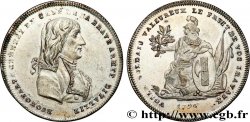

Productos que has visto recientemente
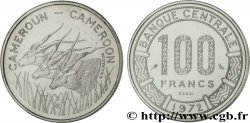
CAMERúN Essai 100 Francs légende bilingue, type “Banque Centrale”, antilop
39.00 €

CAMERúN Essai 100 Francs légende bilingue, type BEAC antilopes 1975 Paris FDC
18.00 €

MACEDONIA - REINO DE MACEDONIA - ALEJANDRO III EL GRANDE Tétradrachme
280.00 €
cgbfr.es numismàtica


